TREE DESCRIPTIONS - GIVEAWAYs 2025-26
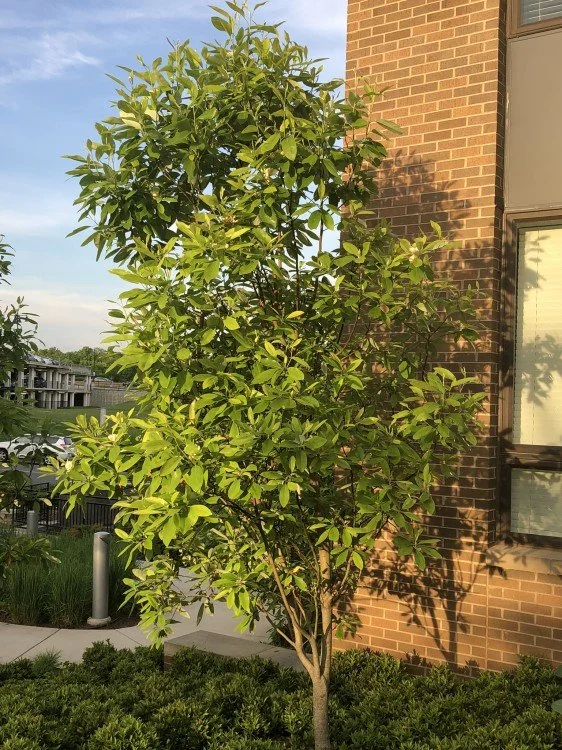
Blackhaw viburnum (Viburnum prunifolium)
- Small, ornamental tree with attractive, dark-green foliage that becomes reddish-purple in fall .
- Small, creamy white flowers bloom in spring, attracting pollinators. Prune immediately after flowering, since the flower buds for the next year will start to develop in the summer.
- Typically reaches a height of 10-15’, occasionally reaching up to 20’. Spread of 6-12' at maturity.
- Prefers partial sun to partial shade and moist to dry well-drained soils. Adaptable to soil types and acidity. Drought tolerant and does well in urban conditions.
- Fruits are edible and may be eaten off the branch when ripe or used in jams and preserves.
Winterberry holly (ilex verticillata)
- Medium and slow growing, 3 to 15 feet tall and 3 to 12 feet wide.
- Red berries that mature in the fall and persist after leaves drop, providing winter interest and food for birds.
- Prefers moist, acidic soil with good drainage. It tolerates heat, drought, and soil compaction.
- Can thrive in full shade or full sun.
- Low maintenance good for borders, rain gardens of recreational areas.
sweetbay Magnolia (magnolia virginiana)
- Beautiful native plant
- Slow growing evergreen with fragrant white flowers
- Tolerates shade or sun but blooms best in the sun
- Tolerates wet soils but needs water to get established
- Typically takes years to reach 15 feet or more
- Not to be confused with Laurus nobilis or Bay Laurel, the source of culinary bay leaves
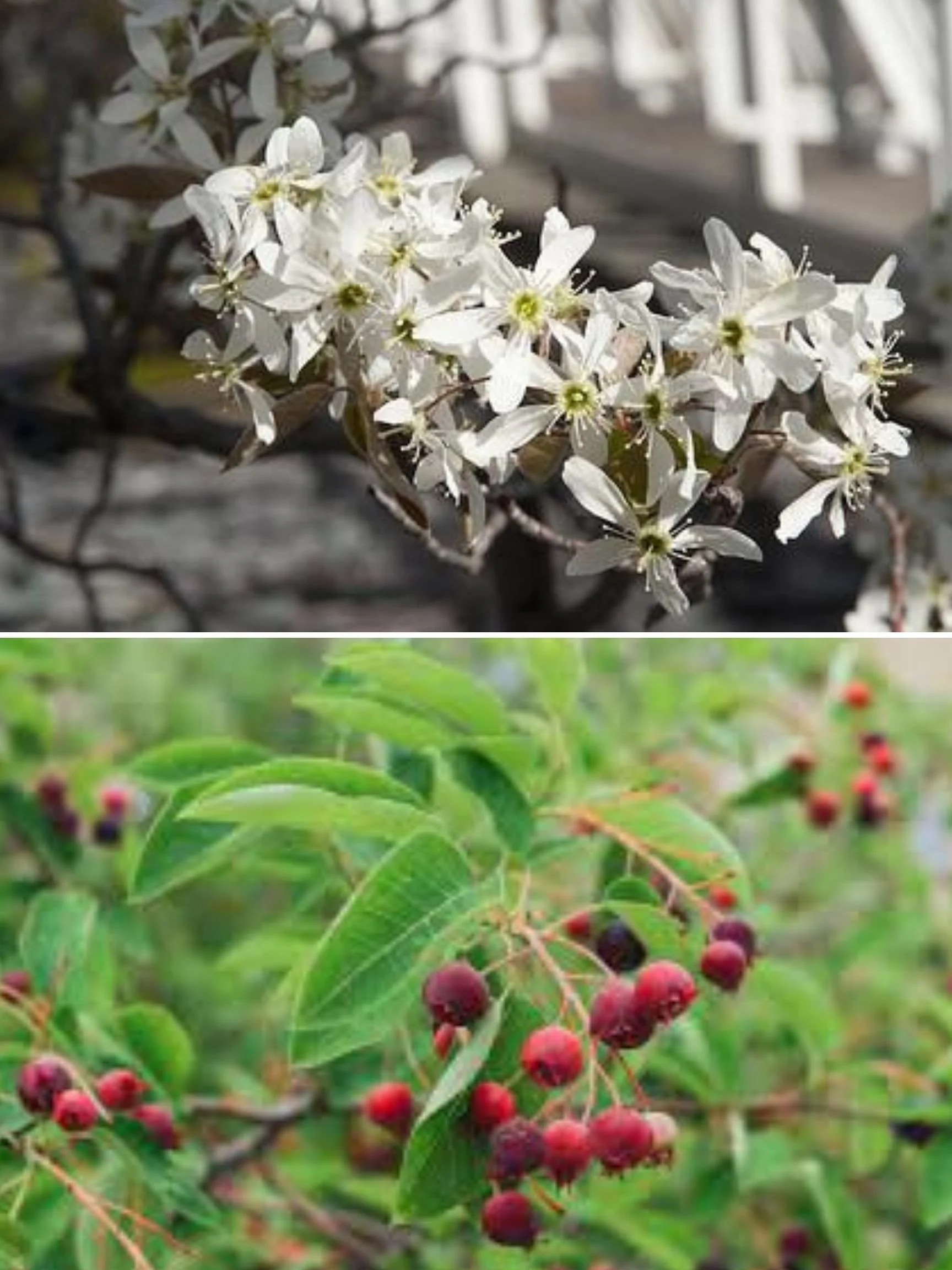
Serviceberry (Amelanchier canadensis)
- Fragrant white flowers bloom in Spring, giving way to 1/4" purple berry-like fruit loved by birds and edible for humans. In fall the leaves turn showy red and orange.
- Small tree, usually growing to a height of 15–25' and a spread of 15–25' at maturity.
- Prefers part shade and moist, well-drained sandy loam but is adaptable to both wet and dry sites and various soil types.
- Somewhat tolerant of salt but not of urban conditions.
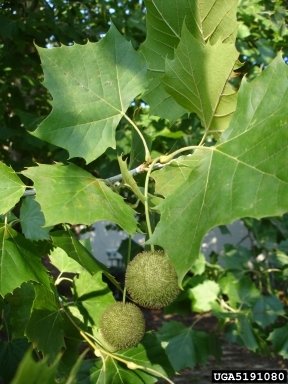
Tulip poplar (Liriodendron tulipifera)
- A fast-growing tree with bright green leaves that resemble tulip flowers in profile and turn golden yellow in fall.
- Greenish-yellow flowers are carried high in the tree.
- Stems are aromatic.
- Likes full sun. Grows to 70' to 90', 40' spread.
american fringetree (Chionanthus virginicus)
- A slow-growing, large shrub or small, deciduous ornamental tree.
- Matures at 12 to 20 feet in height and 12 to 20 feet in width.
- Generous clusters of fragrant, fringed white blossoms, which appear in late spring after other spring-flowering trees have finished blooming.
- This plant grows best in full to part sun and average, well-drained soil.
american beautyberry (Callicarpa americana)
- Woody, deciduous, perennial shrub that produces showy purple fruits in the fall.
- Prefers full sun and is intolerant of deep shade. It will grow in all types of soil provided there is good drainage. Pruning is best done in late winter.
- Clusters of small flowers bloom on the stems during the late spring and early summer. Clusters of purplish to bluish berries develop August through October and encircle the stem.
- Berries are a good food source for songbirds and small mammals. The leaves, when crushed, produce a chemical that can repel mosquitos.
Arrowwood viburnum (viburnum dentatum)
- Deciduous shrub native to most of the eastern U.S. that grows to 5-10’ high and 6-10’ wide
- Tolerates a wide variety of conditions but does best in moist, well-drained soil and sun
- Valuable to pollinators for nectar, birds for food and shelter, and is a larval host plant
- Creamy-white flower clusters in the spring, with a bluish-black berry in late summer and early fall
- Winter-hardy, deer-resistant, with vigorous and sturdy growth that makes it useful as a screen or hedge
american holly (ilex opaca)
- Broadleaf evergreen with a pyramidal shape, ideal for privacy screens and hedges
- Grows slowly, eventually reaching 40-60’ in height and 10-20’ in width
- Fragrant, pointed leaves and red fruit that feeds wildlife; is a host plant for butterflies
- Place in well-drained, neutral to acidic soils in full sun to partial shade
Spicebush / sweetshrub (calycanthus floridus)
- Deciduous shrub that grows best in well-drained, rich loam anywhere in full sun to deep shade
- Can tolerate brief flooding but struggles in sandy soil and drought
- Grows to 6-12’ tall and wide, with dangling seed capsules
- Maroon flowers bloom in early spring before leaves emerge and fragrance has hints of pineapple, strawberry, and banana
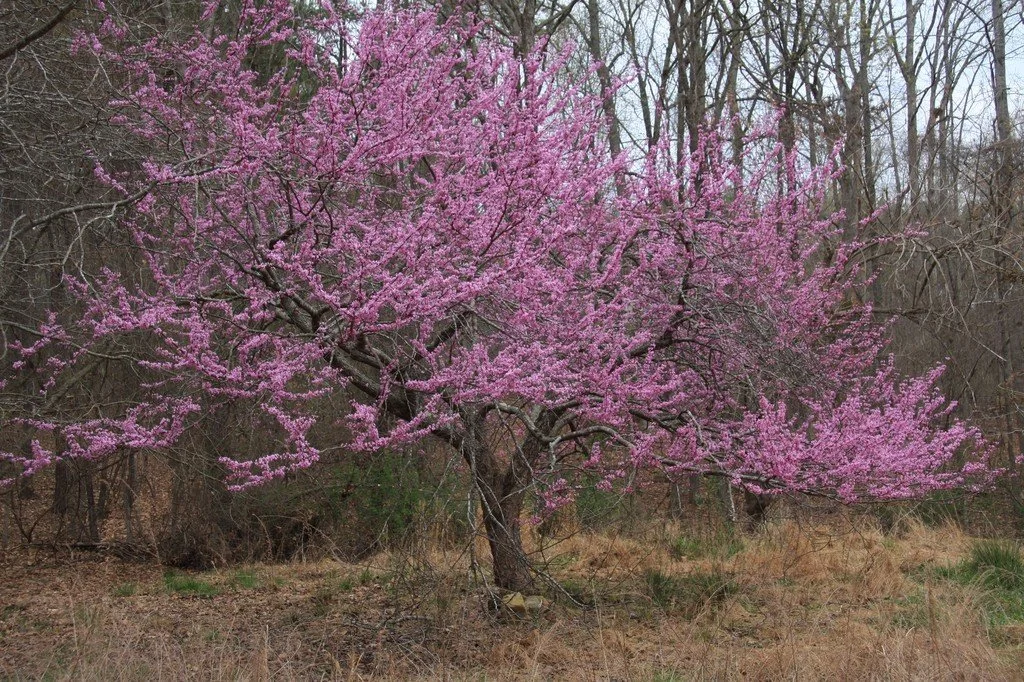
eastern redbud (Cercis canadensis)
- Deciduous, understory tree that grows to 20-30’ tall and 20-35’ wide
- Place in full sun or part shade; it can do well in clay or sandy soil but does not tolerate heat or drought and is very sensitive to chemicals and pesticides
- Pink to purple blooms appear before the leaves in early spring, attracting many pollinators and is an important larval host plant
elderberry (Sambucus canadensis)
- Deciduous shrub or small tree that grows to 5-12’ tall and 6-12’ wide
- Prefers rich, moist soil in sun to partial shade but can tolerate a wide variety of wet to dry soils and helps with erosion control
- Dense clusters of small, white flowers bloom in the summer, followed by purple-black berries in the late summer to fall
- Valuable as a food source and habitat to wildlife; we also use the berry in pies, jellies, and winemaking
River birch (betula nigra)
- Deciduous tree with papery bark and yellow fall foliage that is especially vibrant when grown in full sun
- Matures to 30-70’ tall and 40-60’ wide
- Prefers wet sites and does best in moist, acidic, and well-drained soil in full sun to part shade; can tolerate heat, flood, and drought
- Valuable to butterflies as a host plant and its foliage, seeds, and buds feed wildlife
- Gold-yellow and green, showy catkins (cylindrical flowers) that bloom in early spring