

What are INvasive Species?

Native Plants
Native plants are those species that evolved naturally in a region without human intervention.
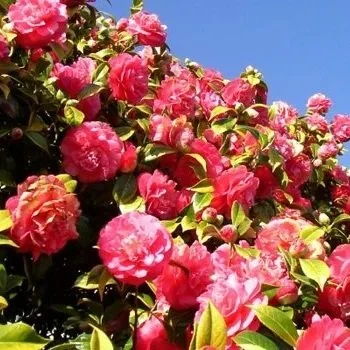
Non-Native Plants
Non-natives are plants that have been introduced, on purpose or by accident, to the region but are native to another location.
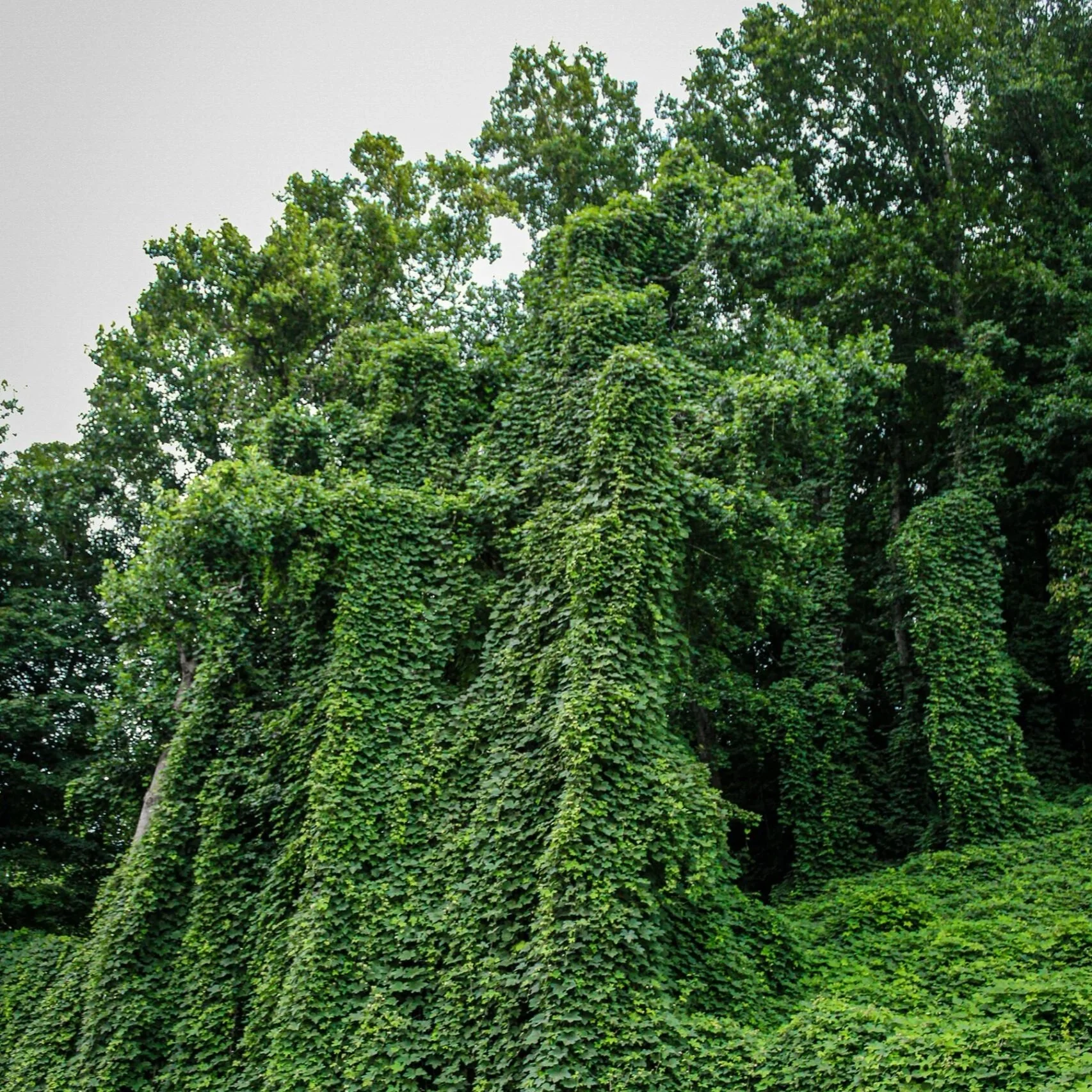
Invasive plants
Invasive plants are non-native plants that escape cultivation and cause environmental or economic harm or harm human health.
Why should we control Invasive plants?
To be considered invasive, a species must be:
Non-native to the area (usually introduced by humans)
Able to spread or reproduce rapidly
Harmful to the environment, humans, or society
Non-Native invasive plants:
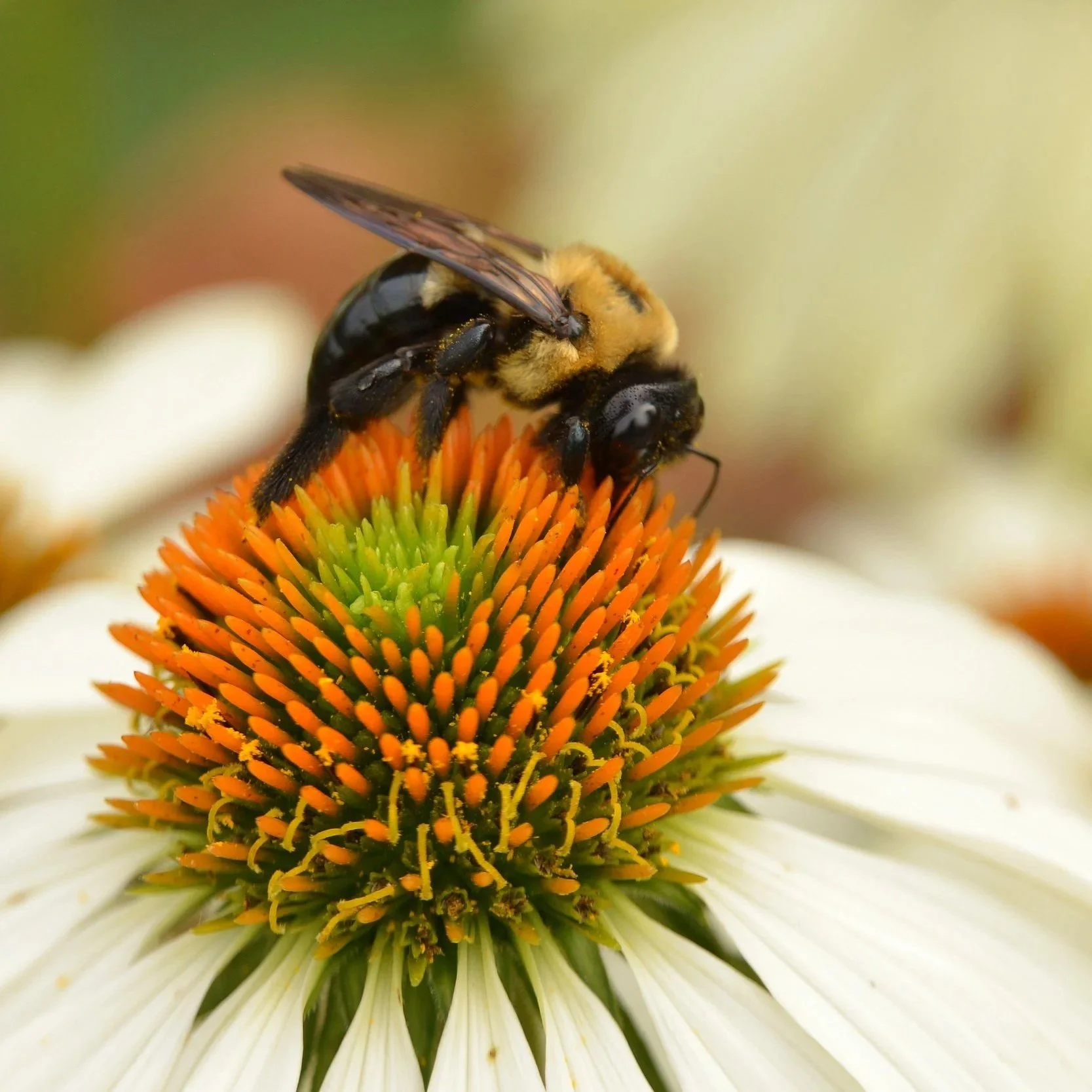
Do not support local insect populations
Because most insects are typically hyper-specialists regarding what they will eat, they essentially starve in locations with heavy invasive infestation. These insects are critical to the native food web. For example, the Carolina Chickadee consumes up to 9,000 caterpillars to raise a clutch of fledglings.
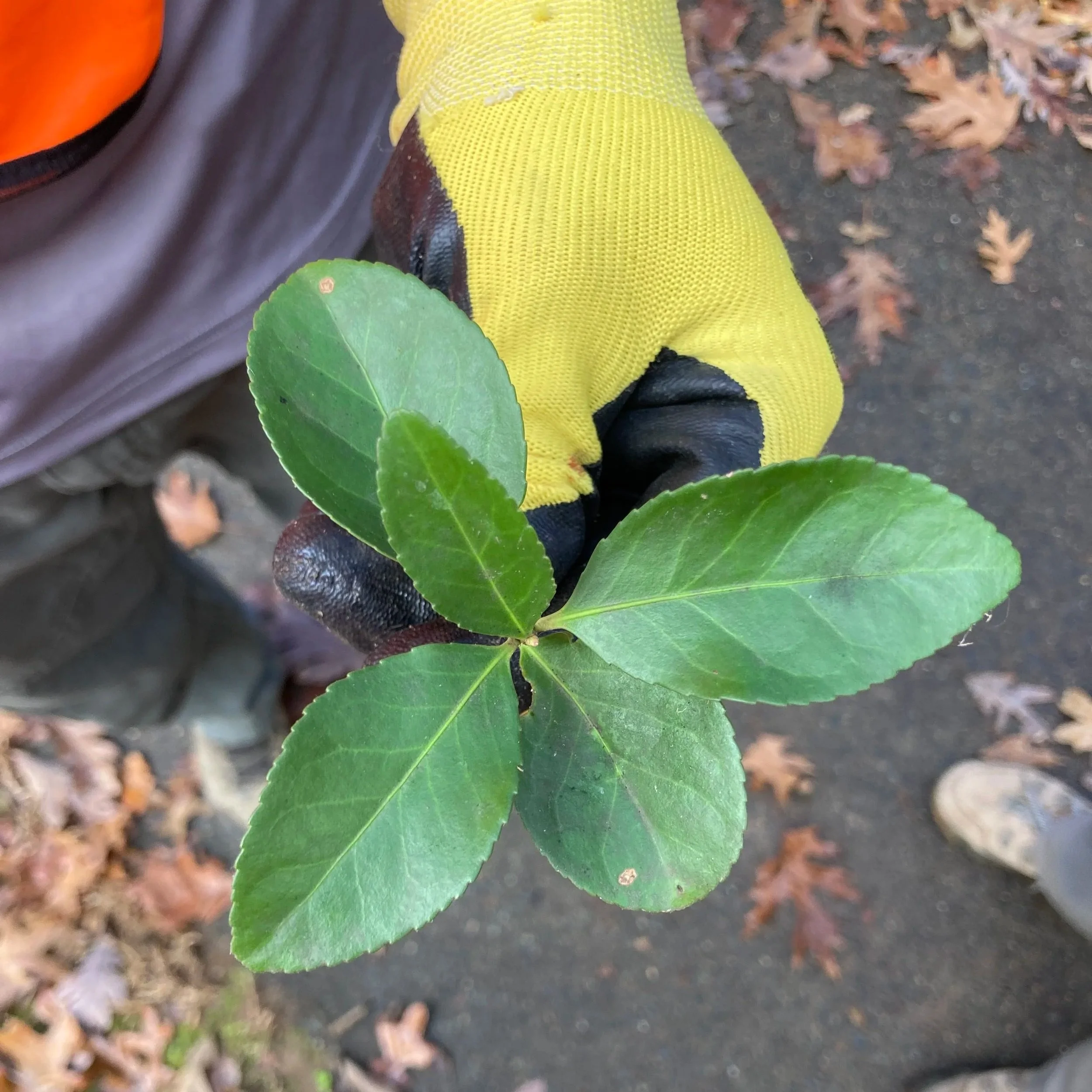
Have few if any natural enemies to control them
Plants invasive to our region have few natural predators or diseases that would ordinarily keep them in check in their indigenous region, further increasing the pressure on the diminished quantity of our native plants.
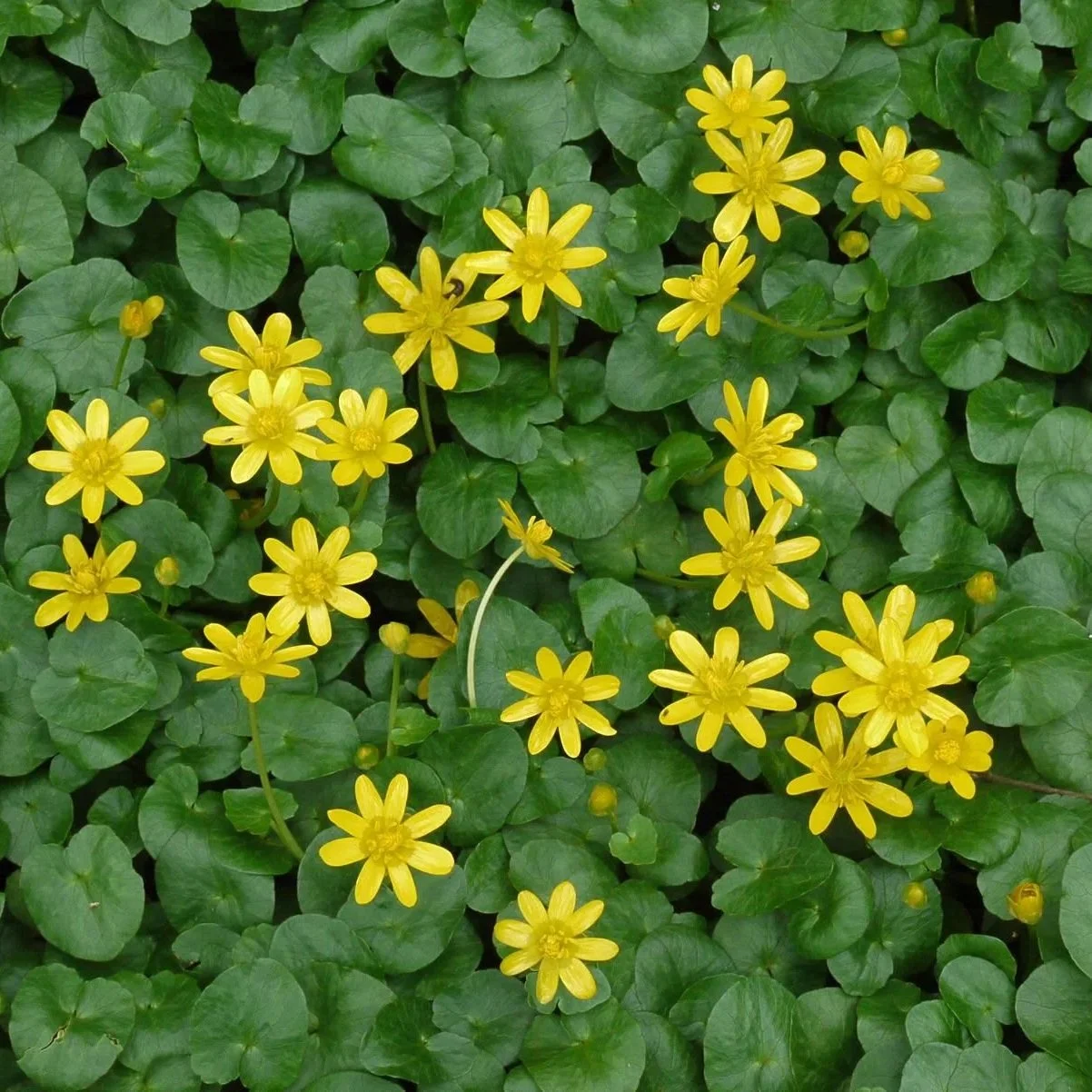
Crowd out and overtake native plants
Invasive plants often grow very fast in comparison to NC native plants. This results in high density invasive cover which leads to suppression of new native saplings and herbaceous plants.
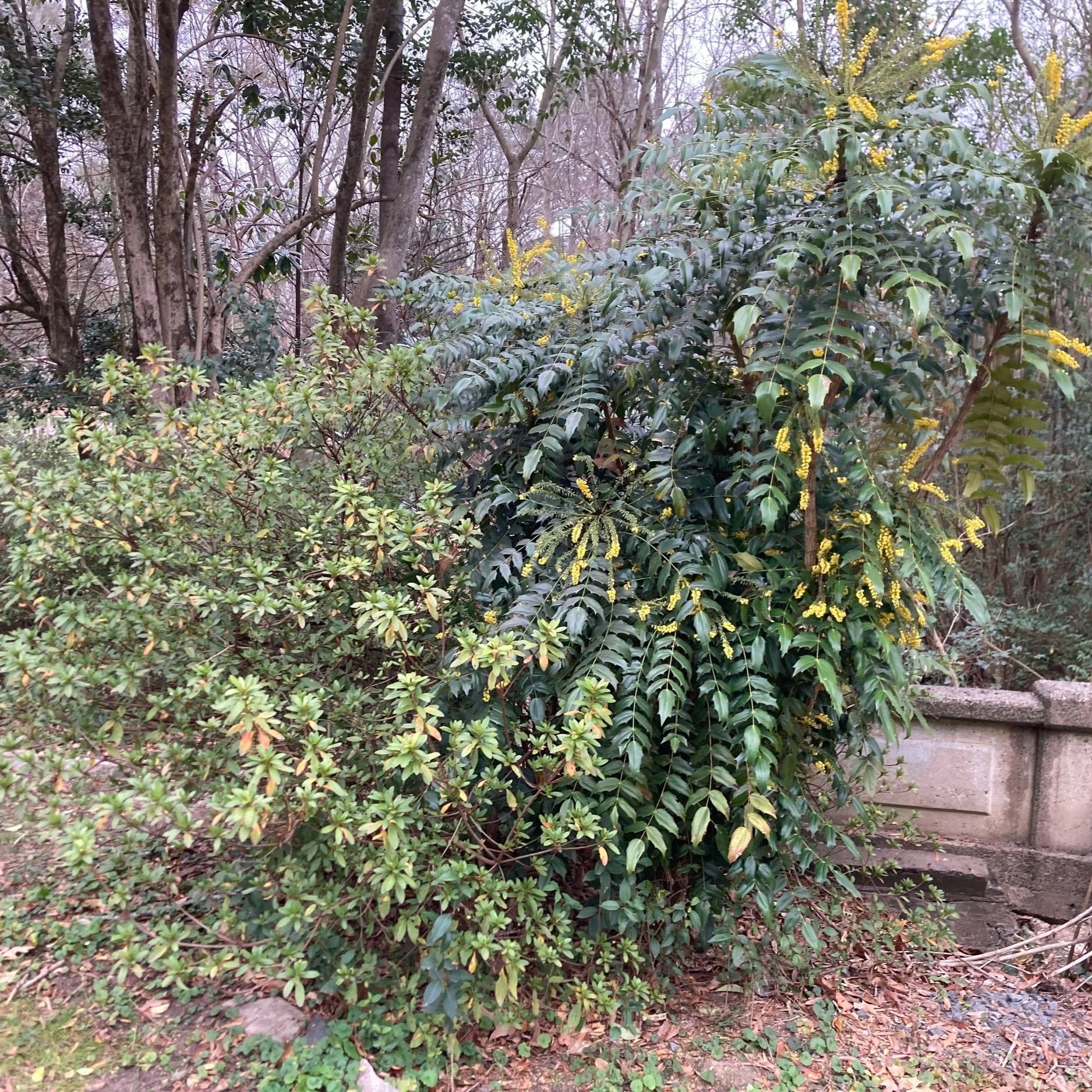
Are a poor food source for Birds
Invasive plants from Asia tend to have high sugar content berries (think bird junk food!) vs most plants native to NC which have high fat and protein content berries, essential for migration. Additionally, some invasive plants such as Nandina are quite toxic and contain Cyanide in the berries, leaves and stalks which have led to bird kills.
How Can you get involved?


Volunteer with us!
Keep Durham Beautiful performs monthly events for invasive control rotating through the city parks. These events are lead by Keep Durham Beautiful IPC leaders and leaders from New Hope Bird Alliance as well as Rewild NC.
Volunteers will be instructed on invasive removal and tools/gloves are supplied. See events page to sign up and help restore our parks to a more natural ecology.
Check out upcoming invasive plant removal events here!
brush piles:
Rather than hauling removed brush off-site, we leave it in place to break down naturally whenever feasible. This practice returns valuable organic matter and nutrients to the soil, creating habitat for beneficial insects and fungi as it decomposes. Trucking brush away requires resources and fossil fuels that simply aren’t necessary when nature can do the work for free. On-site decomposition avoids adding to landfill volume and reduces the carbon emissions associated with transport.
native habitat restoration:
Learn: Re-Wilding study in Forest Hills Park, Durham
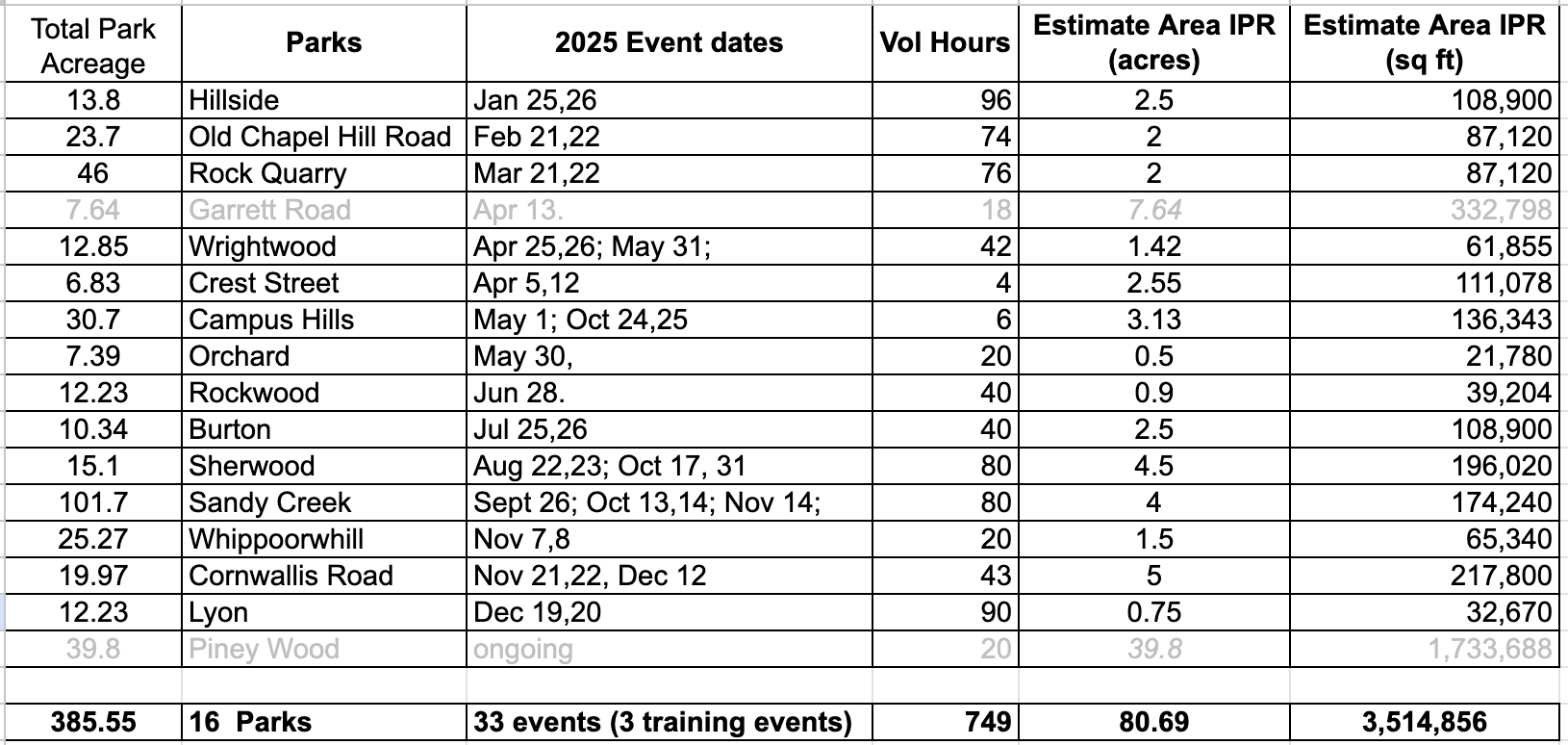
2025 Invasive Plant removal recap:
2 Invasive plant removal events per month
2 hour events
Wide geographical distribution
Friday PM & Saturday AM Events
407 Volunteers
814 Hours
36.8 Acres cleared
Resources
training
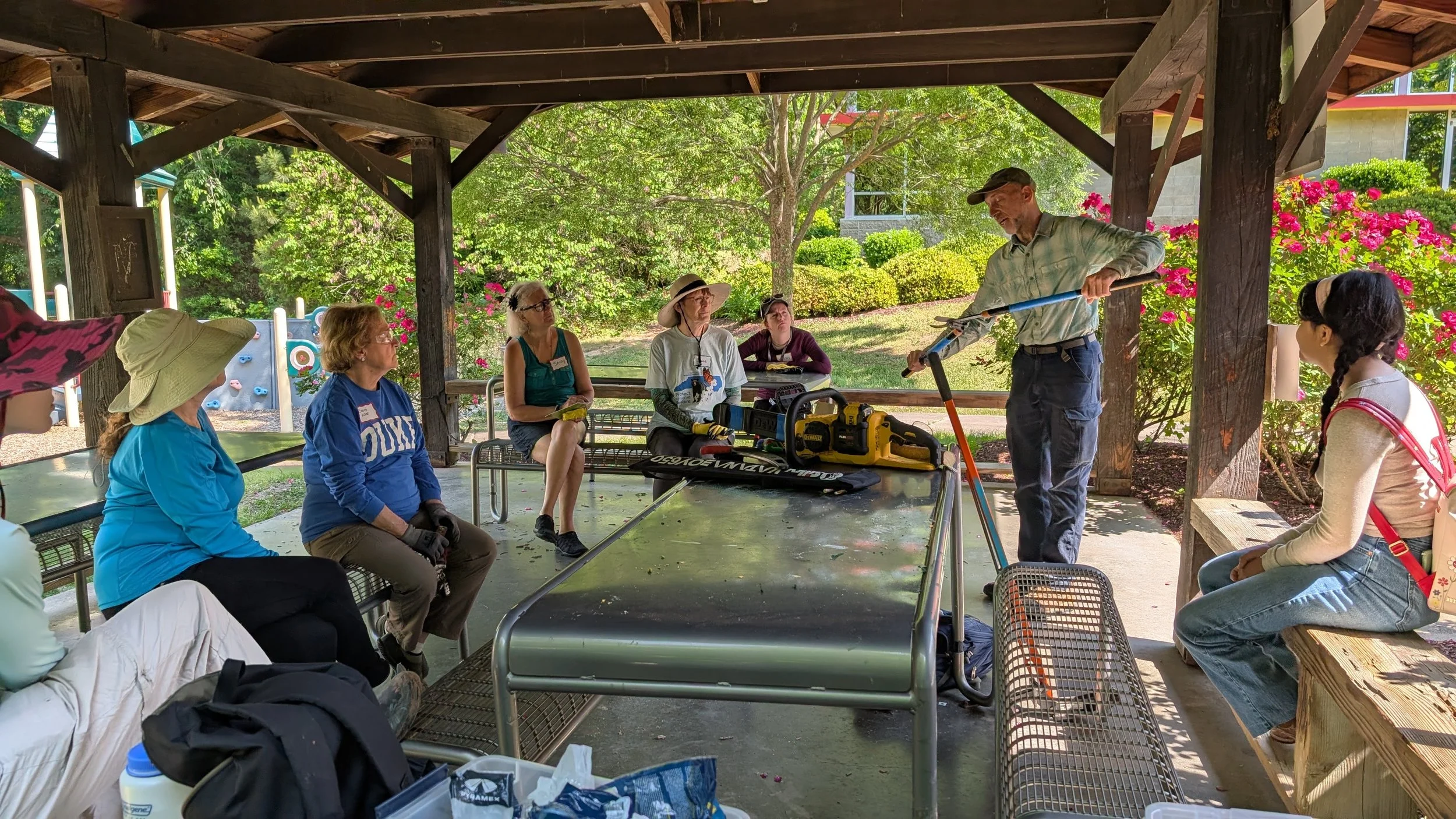
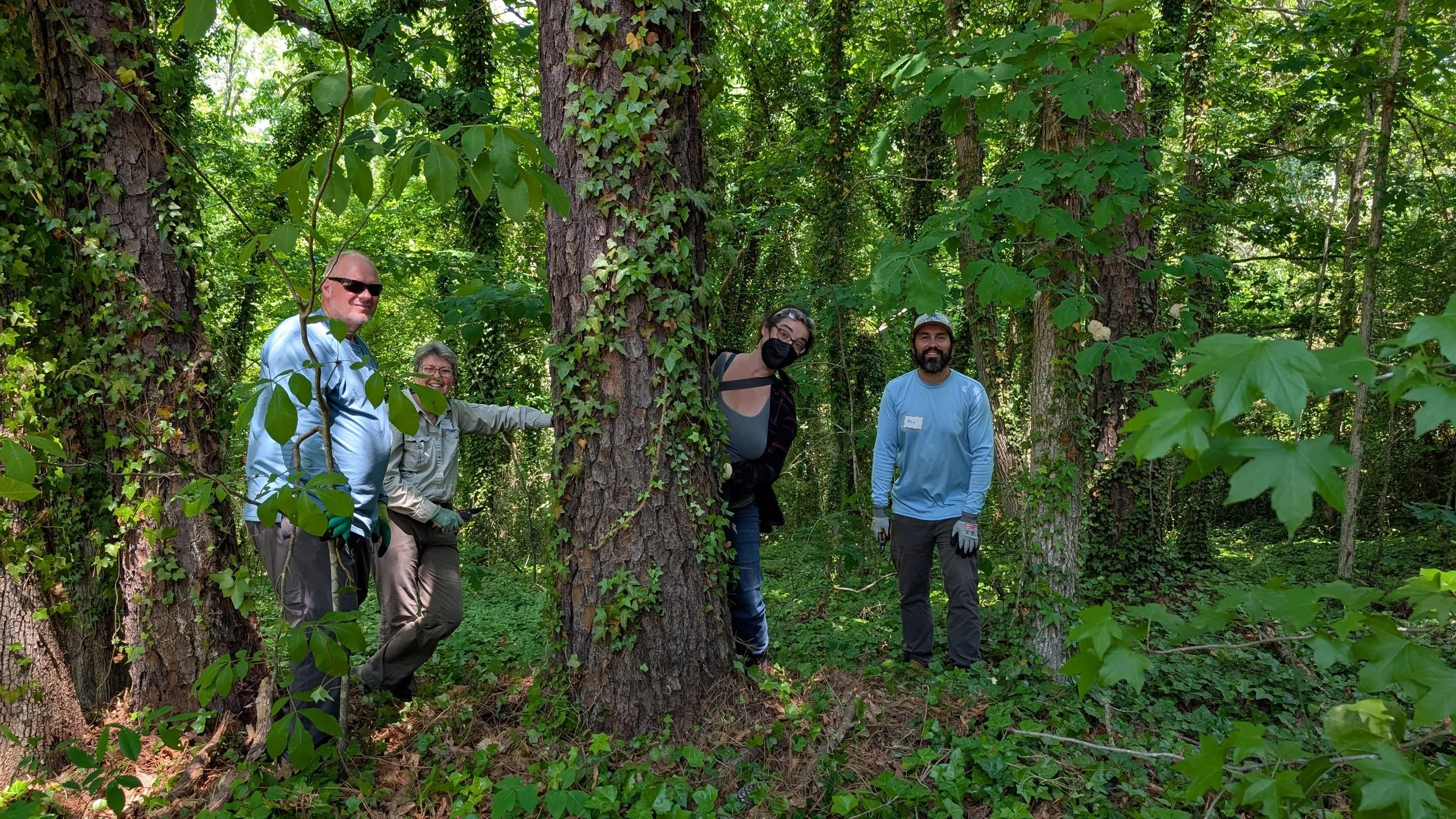
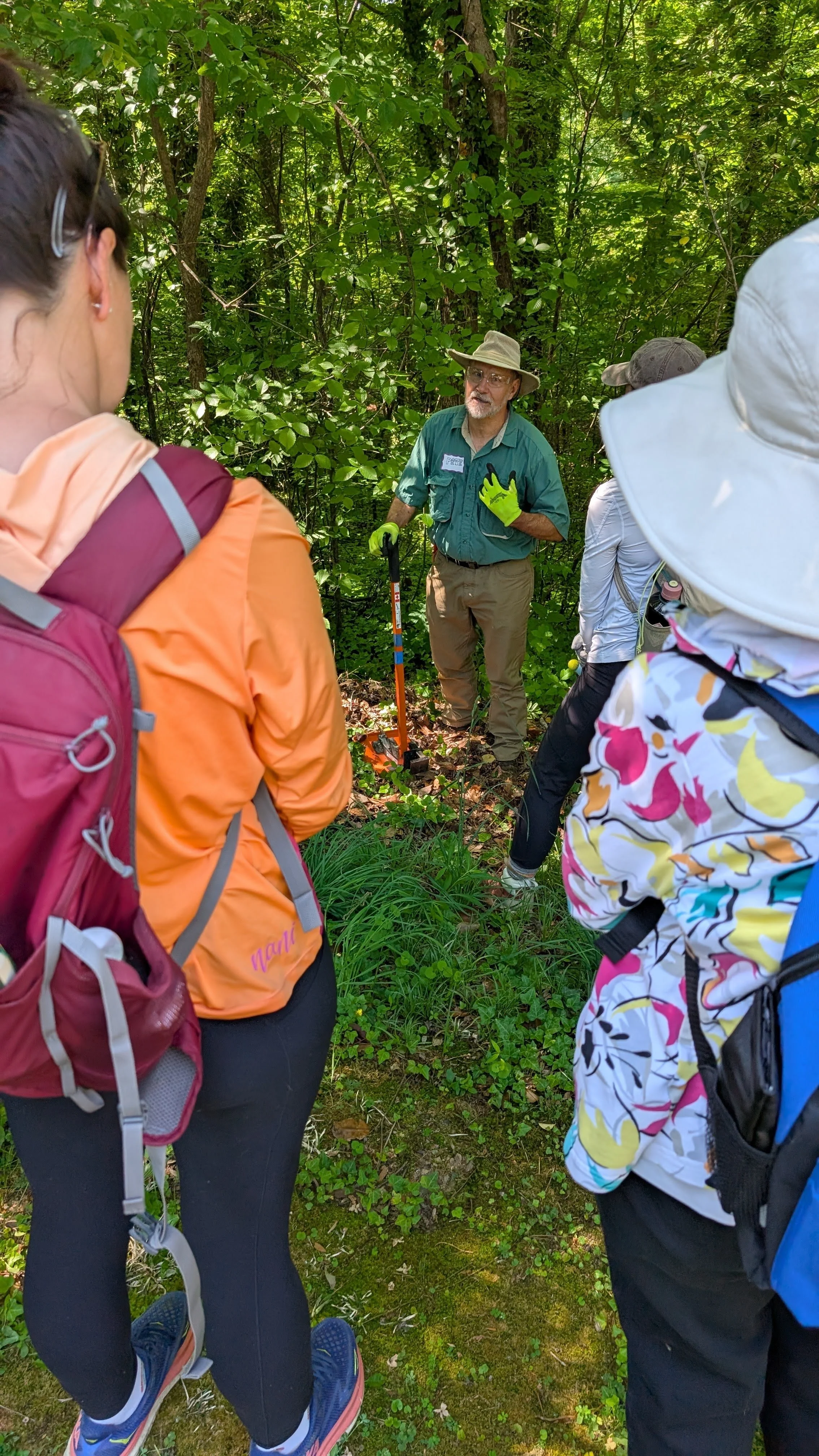
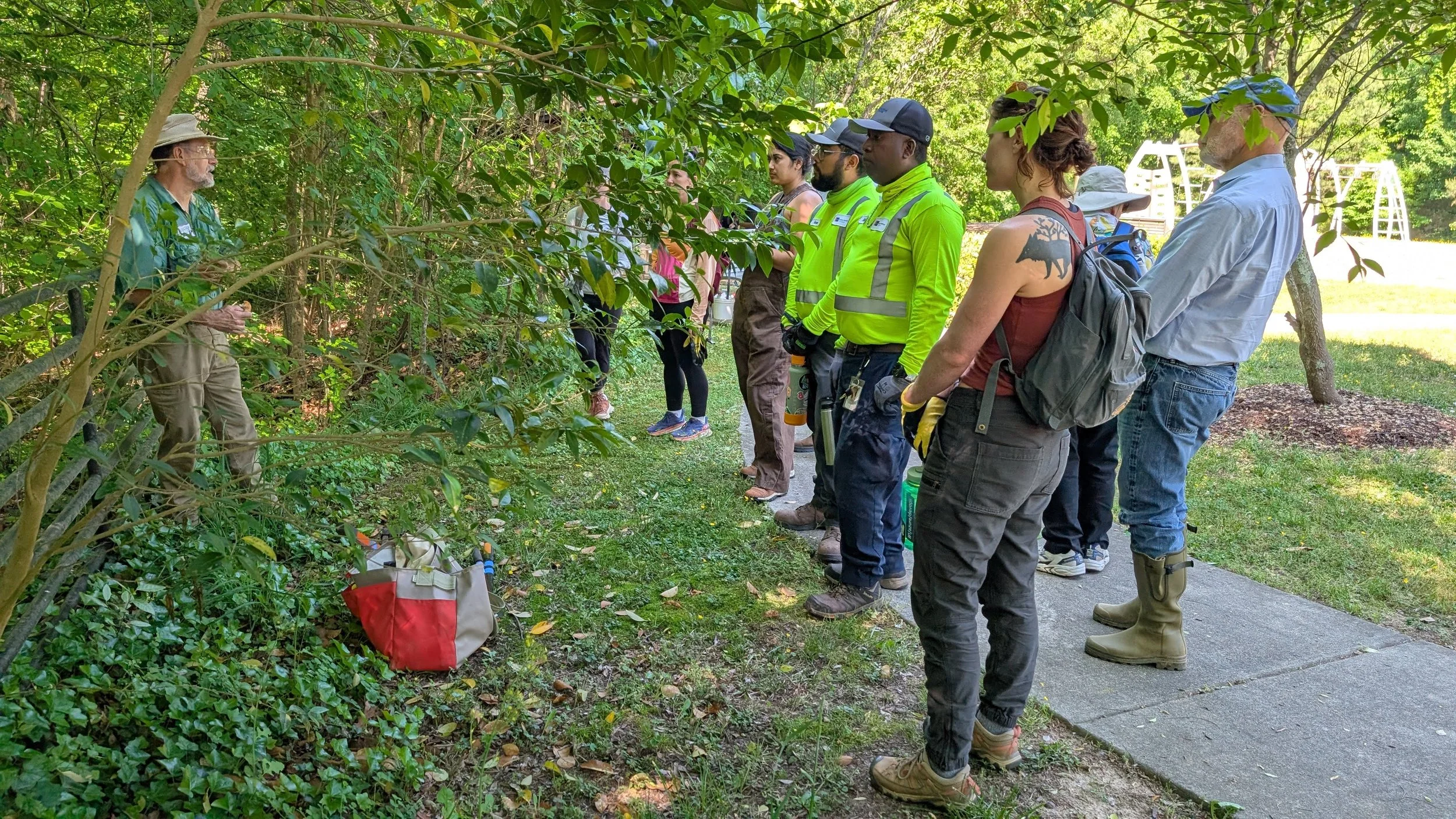
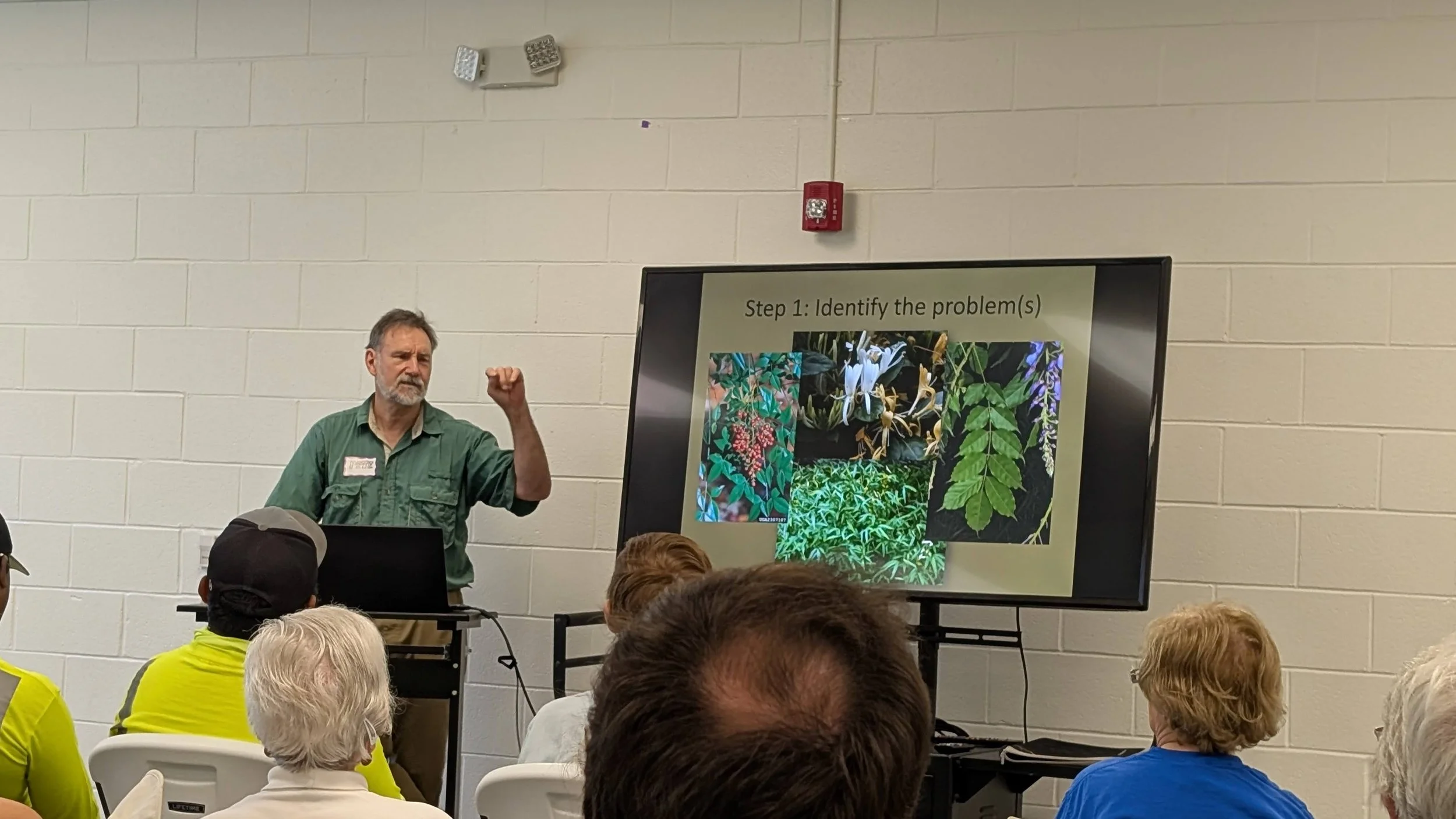
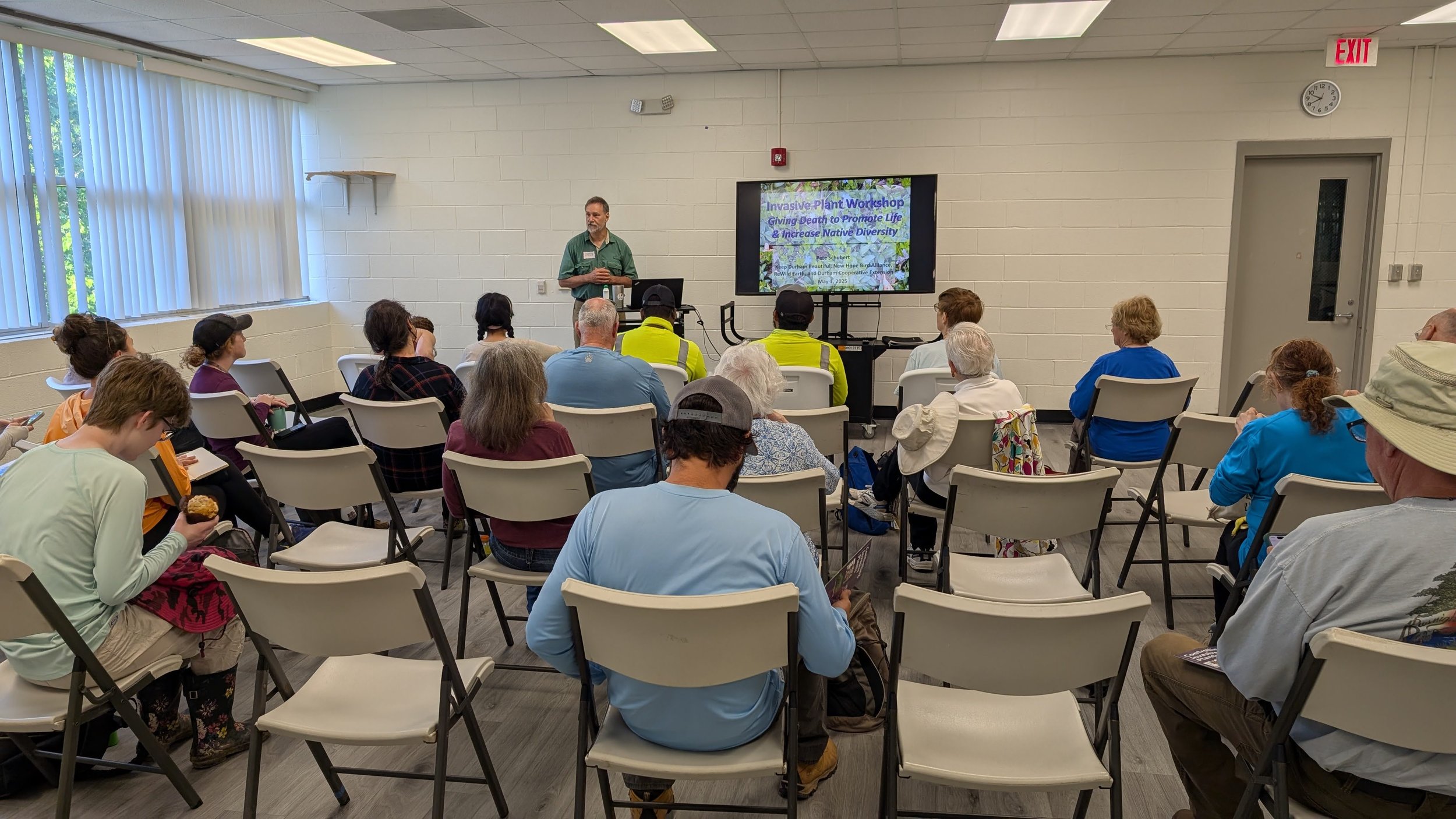
The North Carolina Invasive Plant Council (NC-IPC) in conjunction with Keep Durham Beautiful has held training classes to develop future invasive control event leaders. The training focuses on tools of the trade, safety, invasive species identification, removal techniques, and post-removal site maintenance.
Check back for the next training date!
Learn more
Check out other resources available from our partners and other organizations:
Buy and plant native species
Local Native Plant Nurseries:
Learn more
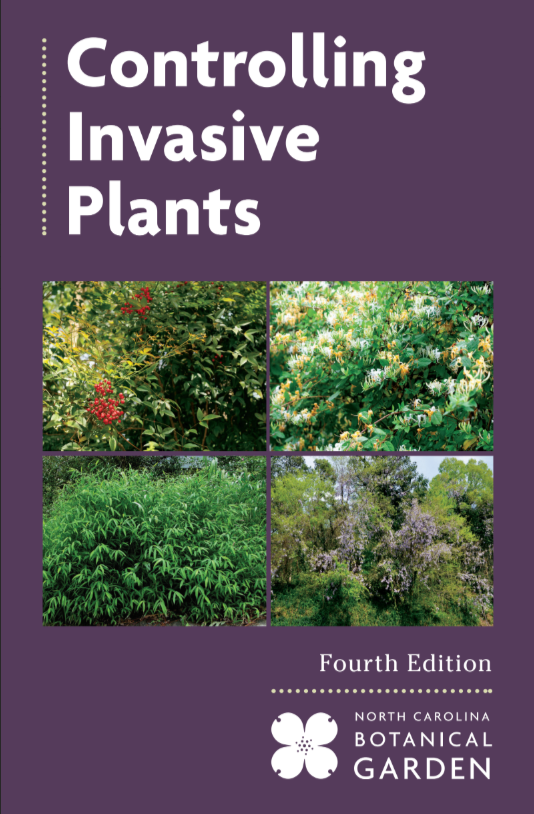
Check out the Fourth Edition of Controlling Invasive Plants from the NC Botanical Garden to learn more about what invasive plants are, why we should control them, and different treatment methods.
How well can you identify invasive plants?
Learn to identify and get descriptions of invasive Plants:
Hover over the images below to test your NC invasive plant knowledge.
All of the plants below are invasive and considered a “severe threat.” You can explore the North Carolina Native Plant Society’s list with threat rankings here.